How does untreated mold affect your health?
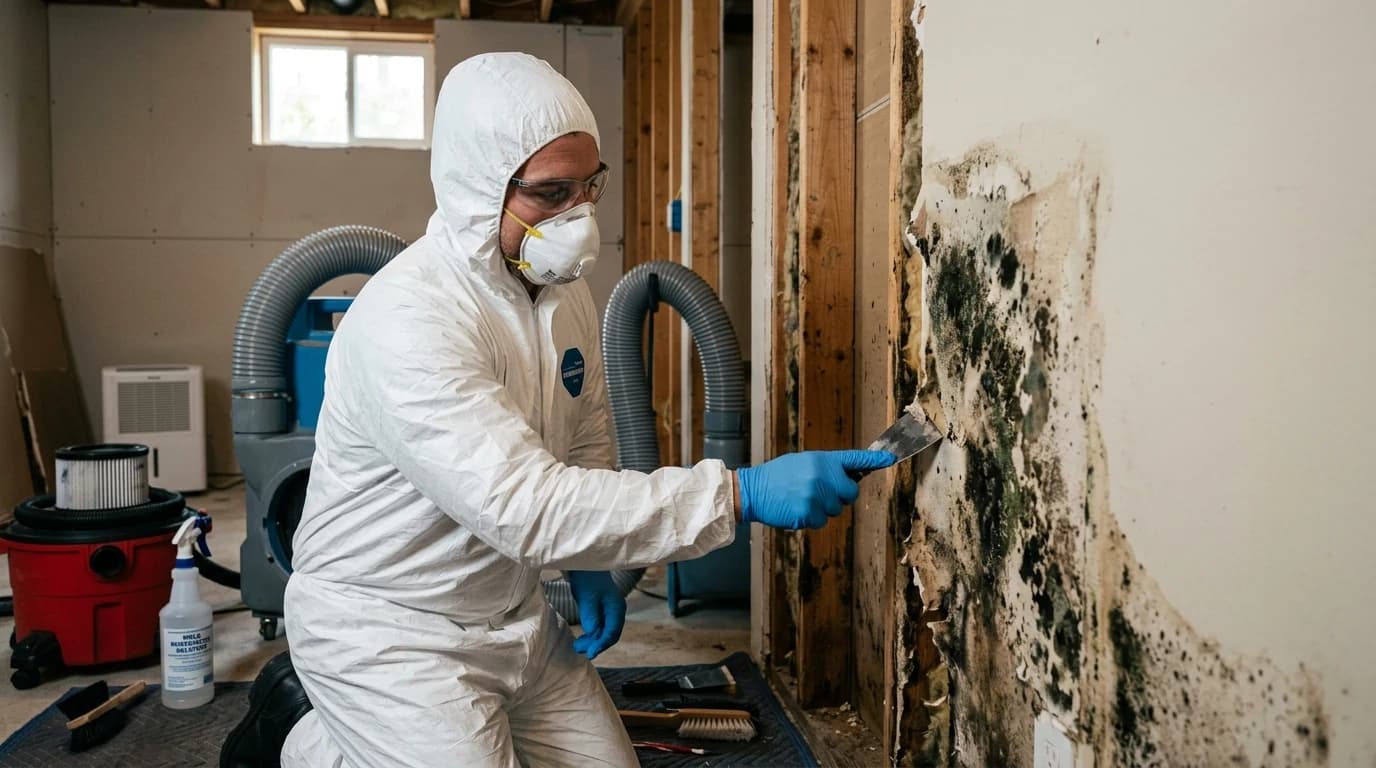
Untreated mold can cause a range of health issues, including respiratory problems, allergic reactions, and skin irritations. Mold spores, which are microscopic and easily inhaled, can exacerbate asthma and lead to chronic lung conditions. People with compromised immune systems, such as those undergoing chemotherapy or living with autoimmune diseases, are particularly vulnerable to mold exposure. Children, whose respiratory systems are still developing, and the elderly, who may have weakened immune defenses, are also at higher risk. Mold exposure can lead to symptoms such as persistent coughing, sneezing, nasal congestion, and even sinus infections. Some individuals may experience skin irritations, including rashes and itching, upon contact with mold. In severe cases, exposure to certain types of mold, such as black mold (Stachybotrys chartarum), can lead to more serious health conditions, including neurological effects like headaches and cognitive impairment. If you're experiencing these symptoms in Allendale, contact our team for an assessment.
What structural damages can occur?
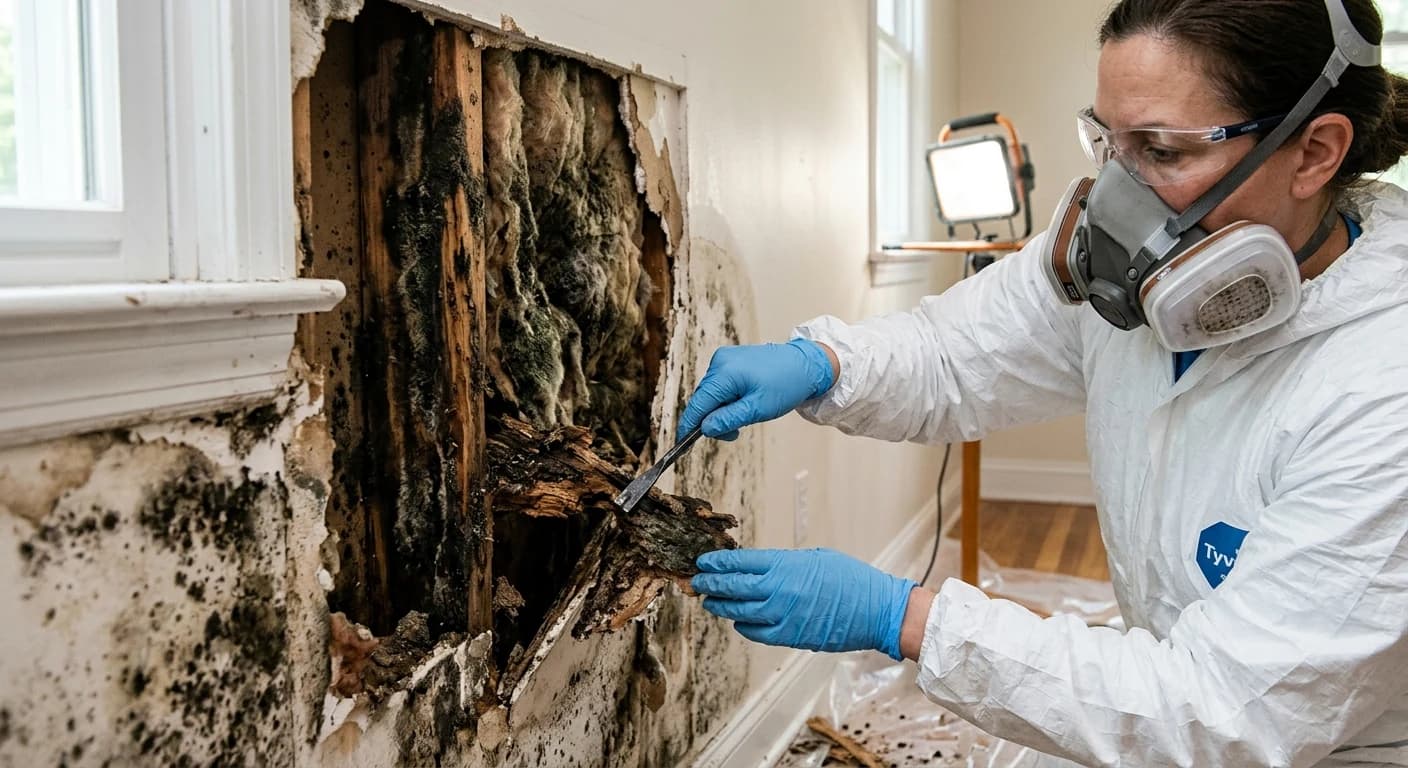
Mold can weaken structural elements of your home, such as wood and drywall, leading to costly repairs. Mold thrives in damp environments and can quickly infiltrate porous materials, such as wood framing and drywall, compromising their integrity. This can result in sagging ceilings, warped floors, and even structural collapse if left unaddressed. In addition to wood and drywall, mold can damage insulation, reducing its effectiveness and increasing energy costs. Over time, mold can also degrade wall and floor coverings, requiring extensive renovations. The presence of mold can lead to discoloration and staining of surfaces, which not only affects the aesthetic appeal of your home but can also decrease its market value. Furthermore, mold can spread to hidden areas, such as behind walls and under carpets, making it difficult to detect and address without professional intervention. This hidden damage can go unnoticed until it requires major repairs. In severe cases, the integrity of your home's foundation could be compromised, leading to unsafe living conditions and potentially requiring extensive and expensive structural repairs.
Why is early intervention important?
Addressing mold issues early can prevent these severe consequences, saving money and ensuring a healthy living environment. Early intervention allows for less invasive and more cost-effective remediation methods. By removing mold at the first sign of its presence, homeowners can avoid the extensive damage that can occur if mold is allowed to spread. Regular inspections, especially in areas prone to moisture such as basements, bathrooms, and kitchens, can help identify mold issues before they escalate. Homeowners should be vigilant for signs of mold, such as musty odors, visible growth, or water stains, and take immediate action if these signs are present. Implementing moisture control measures, such as using dehumidifiers, repairing leaks, and ensuring proper ventilation, can also help prevent mold growth. Prompt remediation not only protects the structural integrity of your home but also ensures the health and safety of its occupants. Professional mold remediation services can provide comprehensive solutions, including thorough inspections, effective removal, and preventative measures to safeguard against future mold growth. By taking action early, homeowners can maintain a safe and comfortable environment free from mold-related issues.
How to Identify Mold in Your Home
Identifying mold early is crucial for preventing its harmful effects on health and home structure. Mold often appears as discolored patches on walls, ceilings, or floors, ranging from black, green, brown, to white. These spots may be fuzzy or slimy in texture. A persistent musty odor is another strong indicator of mold presence, especially in areas with poor ventilation like basements or attics. Water stains or discoloration on walls and ceilings can also signal underlying mold growth, often due to leaks or condensation. Pay attention to any peeling or bubbling paint, as moisture trapped behind walls can encourage mold proliferation. Mold can also be detected by the health symptoms it triggers, such as persistent coughing, sneezing, or skin irritation, especially if these symptoms improve when you leave the house. To confirm the presence of mold, consider using a home mold test kit or hire a professional for a thorough inspection. Professionals have the tools and expertise to detect hidden mold and assess the extent of contamination. In Allendale, NJ, where humidity levels can fluctuate, regular home inspections and maintenance can help identify and address mold issues before they become severe.
Steps to Take If You Discover Mold
Discovering mold in your home can be alarming, but taking immediate action can mitigate its impact. First, assess the size and location of the mold. Small patches, typically less than ten square feet, can often be managed by homeowners using protective gear such as gloves and masks. Clean the area with a mixture of water and detergent, and ensure the area is thoroughly dried to prevent regrowth. For larger infestations or if the mold is located in HVAC systems or behind walls, professional remediation is recommended. Professionals can safely remove mold and address the underlying moisture issues. While waiting for professional help, limit access to the affected area to prevent the spread of spores. Use dehumidifiers to reduce moisture levels and improve ventilation in the home. It's also important to identify and repair any leaks or sources of water intrusion that may have contributed to the mold growth. Regularly monitor humidity levels, aiming to keep them below 60%, and consider installing exhaust fans in moisture-prone areas. These steps not only help in managing current mold issues but also in preventing future occurrences, ensuring a healthy living environment.
The Role of Humidity in Mold Growth
Humidity plays a crucial role in the growth and proliferation of mold within homes. Mold spores are naturally present in the air, but they require moisture to grow and form colonies. In environments where humidity levels consistently exceed 60%, mold can thrive, particularly in areas with poor ventilation such as basements, bathrooms, and attics. To mitigate mold growth, it's essential to monitor and control indoor humidity levels. Using a hygrometer, homeowners can regularly check humidity levels and take action when they become too high. Dehumidifiers are effective tools for reducing moisture in the air, making it less conducive for mold growth. In addition, ensuring proper ventilation in moisture-prone areas can significantly reduce the risk of mold. Installing exhaust fans in bathrooms and kitchens, as well as ensuring that vents and air ducts are clean and unobstructed, can help maintain airflow and prevent moisture accumulation. It's also important to address any water leaks or condensation issues promptly, as these can contribute to elevated humidity levels. By keeping humidity in check, homeowners can create an environment that is less favorable to mold, protecting both their health and property from the adverse effects of mold infestation.
Long-Term Implications of Ignoring Mold
Ignoring mold problems in your home can lead to long-term and costly consequences. Over time, mold can cause significant damage to the structural components of a house, leading to extensive repair needs. This can include replacing drywall, flooring, and even major structural elements if the mold has compromised the integrity of the building materials. Furthermore, the presence of mold can negatively impact indoor air quality, leading to chronic health issues for occupants. Health symptoms such as respiratory problems, allergic reactions, and skin irritations can become persistent, affecting the quality of life for those living in the home. Mold can also have financial implications, as properties with mold issues may see a decrease in market value, making them harder to sell. Potential buyers are often wary of homes with a history of mold, due to the perceived risk and potential for future problems. Additionally, insurance policies may not cover mold damage if it is deemed to be the result of neglect, leaving homeowners to bear the full cost of remediation and repairs. To avoid these long-term implications, it is crucial to address mold issues promptly and maintain regular inspections and maintenance to prevent mold from becoming a recurring problem.