What factors determine the duration of mold removal?
Several factors influence the timeline for mold removal, including the extent of mold growth, the type of mold, and the affected area's size. In general, larger infestations take longer to remediate. For instance, a small patch of mold on a bathroom ceiling might only take a day or two to address, while extensive mold growth throughout a basement could take a week or more.
Humidity levels in your home also play a critical role. Mold thrives in damp, humid environments, so homes in areas with higher moisture levels, like near the coast or rivers, may experience faster mold growth, requiring more extensive remediation efforts. Additionally, the type of materials affected—such as drywall, wood, or carpet—can influence the timeline because some materials are more porous and hold moisture longer, making mold removal more complex.
Furthermore, accessibility to the mold plays a part; if mold is hidden behind walls or in crawl spaces, it will take longer to remove due to the additional time needed to access and treat these areas. Finally, the availability of professional mold remediation services and their scheduling can affect how quickly the process can begin and be completed. For precise timelines, contact our experts for a detailed assessment.
Humidity levels in your home also play a critical role. Mold thrives in damp, humid environments, so homes in areas with higher moisture levels, like near the coast or rivers, may experience faster mold growth, requiring more extensive remediation efforts. Additionally, the type of materials affected—such as drywall, wood, or carpet—can influence the timeline because some materials are more porous and hold moisture longer, making mold removal more complex.
Furthermore, accessibility to the mold plays a part; if mold is hidden behind walls or in crawl spaces, it will take longer to remove due to the additional time needed to access and treat these areas. Finally, the availability of professional mold remediation services and their scheduling can affect how quickly the process can begin and be completed. For precise timelines, contact our experts for a detailed assessment.
How does the remediation process work?
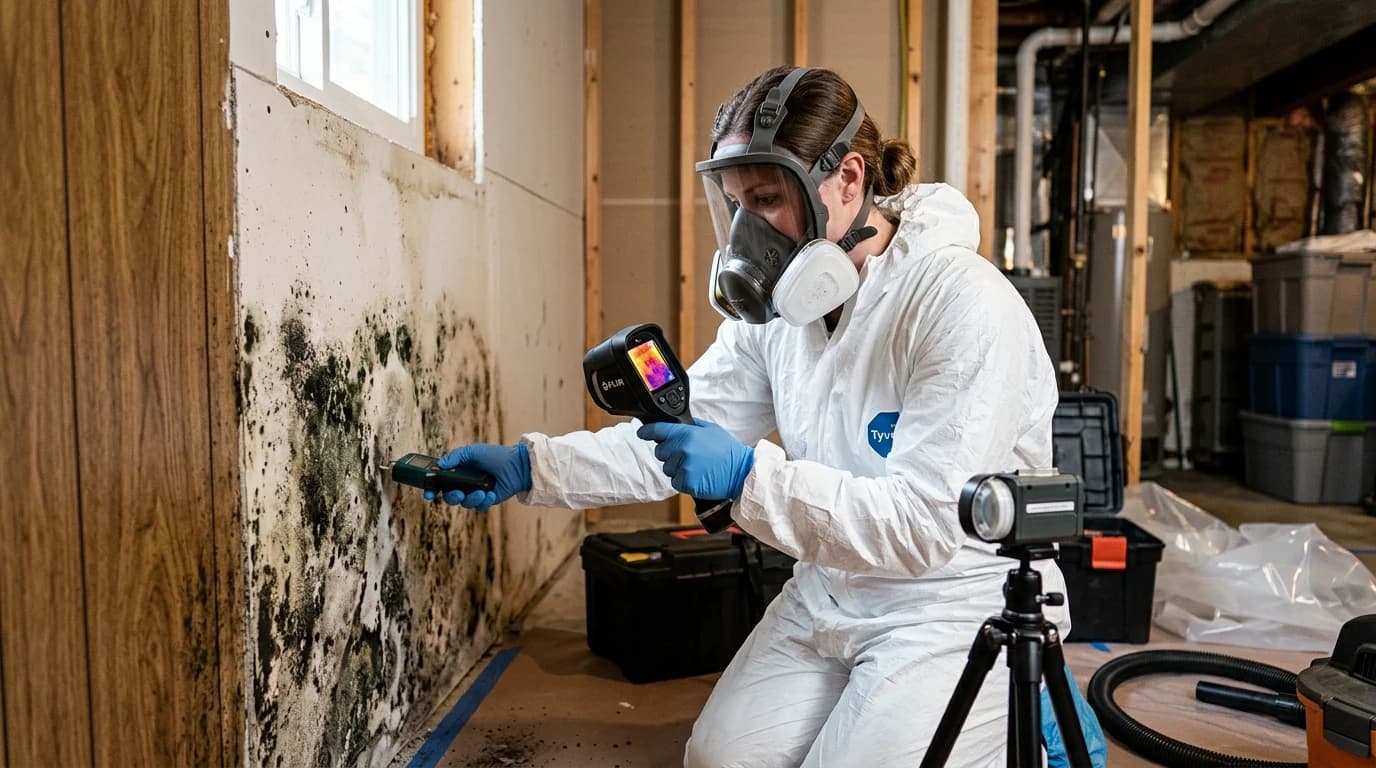
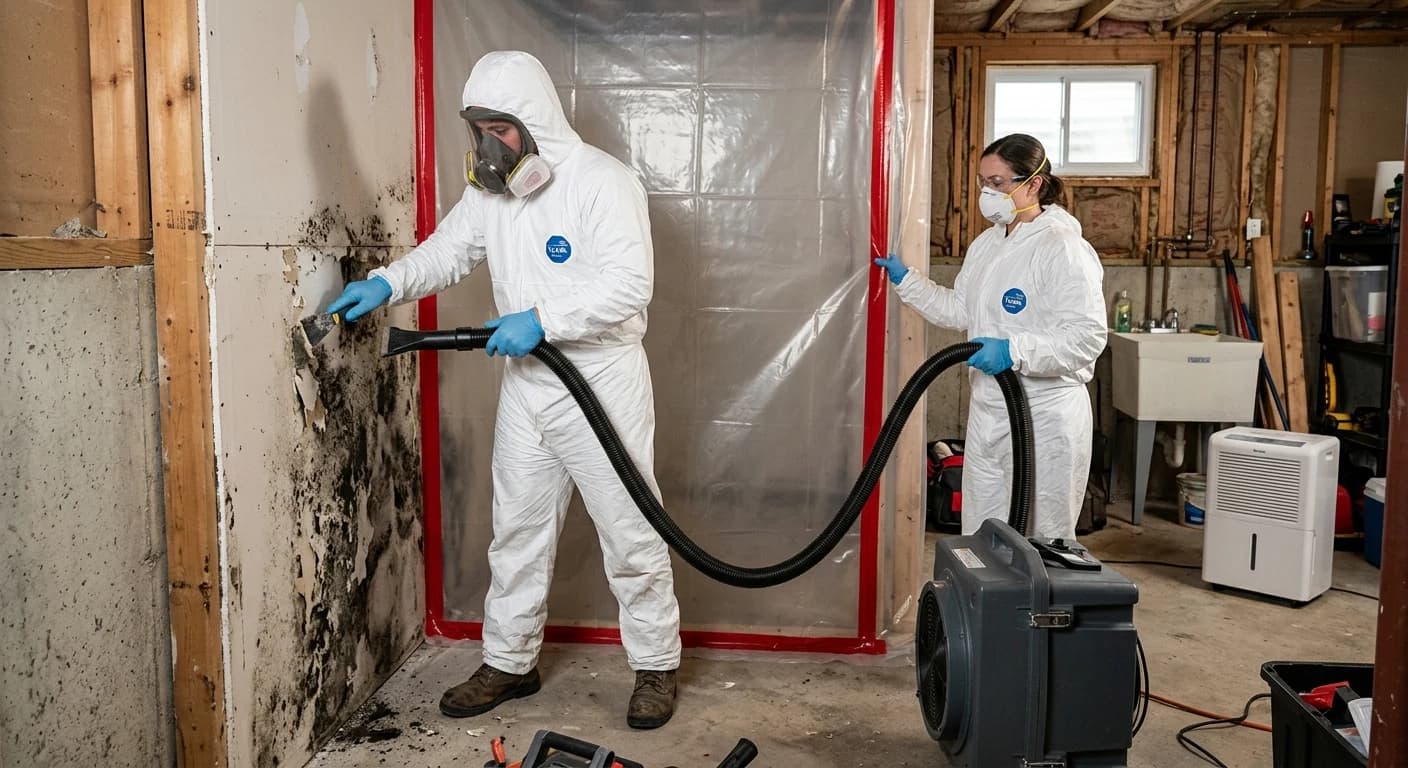
The remediation process begins with a comprehensive inspection and assessment to determine the mold's type and extent. This step involves using advanced detection equipment, such as moisture meters and infrared cameras, to identify hidden mold colonies and moisture sources. After the assessment, the next step is containment, where the affected area is isolated to prevent mold spores from spreading. This is typically achieved using physical barriers and negative air pressure with HEPA-filtered machines.
Once containment is in place, removal of the mold begins. This step can vary widely in complexity, depending on the mold's location and the materials involved. For instance, non-porous surfaces like tiles can often be cleaned, but porous materials like drywall may need to be removed and replaced entirely. Following removal, a thorough cleaning is conducted using specialized cleaning agents and techniques to ensure all mold spores are eradicated.
Air filtration is a critical component of the process, employing HEPA vacuums and air scrubbers to clean the air of mold spores and other contaminants. This step ensures that the indoor air quality is restored to safe levels, preventing future mold issues.
Finally, restoration of the affected areas may involve repairs to structures, such as replacing drywall, repainting, and addressing any underlying issues like leaks or inadequate ventilation that contributed to the mold growth. Each step is vital to ensure complete mold eradication and prevent recurrence.
Once containment is in place, removal of the mold begins. This step can vary widely in complexity, depending on the mold's location and the materials involved. For instance, non-porous surfaces like tiles can often be cleaned, but porous materials like drywall may need to be removed and replaced entirely. Following removal, a thorough cleaning is conducted using specialized cleaning agents and techniques to ensure all mold spores are eradicated.
Air filtration is a critical component of the process, employing HEPA vacuums and air scrubbers to clean the air of mold spores and other contaminants. This step ensures that the indoor air quality is restored to safe levels, preventing future mold issues.
Finally, restoration of the affected areas may involve repairs to structures, such as replacing drywall, repainting, and addressing any underlying issues like leaks or inadequate ventilation that contributed to the mold growth. Each step is vital to ensure complete mold eradication and prevent recurrence.
Can you speed up the process?
While it's essential to be thorough, some steps can be expedited with professional equipment and expertise. Ensuring proper ventilation and addressing moisture problems immediately can also speed up the process. For example, using industrial dehumidifiers and air movers can significantly reduce drying time for damp spaces, which is crucial in preventing mold from returning.
Homeowners can also assist by removing clutter from affected areas, allowing professionals easier access to mold-infested zones. This not only speeds up the process but also ensures a more thorough remediation. Additionally, maintaining open communication with your mold removal service can help streamline the process, as you can address any concerns or new developments quickly.
However, it's important to balance speed with thoroughness. Rushing the process without addressing the root cause of the mold problem can lead to recurrence. Always rely on professional mold removal services to ensure safety and effectiveness. Professionals have the experience and tools to handle the job efficiently while ensuring that all mold is removed and future growth is prevented. For any questions or to schedule an assessment, reach out to us through our contact page.
Homeowners can also assist by removing clutter from affected areas, allowing professionals easier access to mold-infested zones. This not only speeds up the process but also ensures a more thorough remediation. Additionally, maintaining open communication with your mold removal service can help streamline the process, as you can address any concerns or new developments quickly.
However, it's important to balance speed with thoroughness. Rushing the process without addressing the root cause of the mold problem can lead to recurrence. Always rely on professional mold removal services to ensure safety and effectiveness. Professionals have the experience and tools to handle the job efficiently while ensuring that all mold is removed and future growth is prevented. For any questions or to schedule an assessment, reach out to us through our contact page.
What should you do before professionals arrive?
Preparing your home before the mold remediation team arrives can significantly streamline the process. Start by removing personal items and furniture from the affected areas. This not only provides the professionals with clear access to the mold-infested zones but also protects your belongings from potential contamination. If moving furniture is not feasible, covering items with plastic sheeting can help protect them from mold spores during the removal process.
Next, ensure that all access points to the affected areas are clear. This includes hallways, doorways, and any other paths the remediation team might need to use. Clear access allows them to bring in equipment efficiently and reduces the time spent maneuvering around obstacles. Additionally, inform the team of any known water sources or leaks, as these are often the root cause of mold growth. Addressing these issues is crucial for a successful remediation.
It's also beneficial to discuss any health concerns with the remediation team beforehand, especially if there are individuals with allergies, asthma, or other respiratory conditions in the household. They can take extra precautions to minimize exposure to mold spores. Lastly, plan to be out of the home or in a non-affected area during the remediation process to avoid exposure to mold and cleaning agents. This preparation ensures a smoother, quicker, and more effective mold removal process.
Next, ensure that all access points to the affected areas are clear. This includes hallways, doorways, and any other paths the remediation team might need to use. Clear access allows them to bring in equipment efficiently and reduces the time spent maneuvering around obstacles. Additionally, inform the team of any known water sources or leaks, as these are often the root cause of mold growth. Addressing these issues is crucial for a successful remediation.
It's also beneficial to discuss any health concerns with the remediation team beforehand, especially if there are individuals with allergies, asthma, or other respiratory conditions in the household. They can take extra precautions to minimize exposure to mold spores. Lastly, plan to be out of the home or in a non-affected area during the remediation process to avoid exposure to mold and cleaning agents. This preparation ensures a smoother, quicker, and more effective mold removal process.
Post-remediation steps to prevent mold recurrence
After mold remediation, it's vital to implement measures to prevent future mold growth. Start by addressing the source of moisture, which is often the primary cause of mold. This could involve fixing leaks in plumbing or roofing, ensuring proper drainage around your home, or installing vapor barriers in crawl spaces. Investing in a good dehumidifier can also be beneficial, especially in humid climates like those found in parts of New Jersey, to maintain indoor humidity levels below 60%.
Regular maintenance and inspections are key to catching potential mold issues early. Check areas prone to moisture, such as basements, bathrooms, and kitchens, for any signs of mold or water damage. Ventilation is another crucial factor; ensure that areas such as bathrooms and kitchens have adequate ventilation to prevent moisture buildup. Installing exhaust fans can help in these high-humidity areas.
Consider using mold-resistant products when renovating or building, such as mold-resistant drywall and paint. These materials can provide an extra layer of protection against mold growth. Additionally, educating household members about the importance of keeping areas dry and promptly reporting leaks can foster a proactive approach to mold prevention. By taking these steps, you can significantly reduce the risk of mold returning, ensuring a healthy and safe living environment.
Regular maintenance and inspections are key to catching potential mold issues early. Check areas prone to moisture, such as basements, bathrooms, and kitchens, for any signs of mold or water damage. Ventilation is another crucial factor; ensure that areas such as bathrooms and kitchens have adequate ventilation to prevent moisture buildup. Installing exhaust fans can help in these high-humidity areas.
Consider using mold-resistant products when renovating or building, such as mold-resistant drywall and paint. These materials can provide an extra layer of protection against mold growth. Additionally, educating household members about the importance of keeping areas dry and promptly reporting leaks can foster a proactive approach to mold prevention. By taking these steps, you can significantly reduce the risk of mold returning, ensuring a healthy and safe living environment.
How to choose a reliable mold remediation service
Selecting the right mold remediation service is crucial for ensuring a thorough and effective cleanup. Start by researching local companies and reading reviews from previous clients to gauge their reputation and reliability. Look for services that are certified by reputable organizations, such as the Institute of Inspection, Cleaning and Restoration Certification (IICRC), which ensures that they adhere to industry standards.
When contacting potential services, inquire about their experience with mold removal, especially if you suspect a more complex situation, like mold in difficult-to-reach areas or involving toxic mold types. Experienced companies will have the necessary equipment and expertise to handle various scenarios efficiently. It's also important to ask about their process, including how they handle containment, removal, and post-remediation verification.
A reliable service should offer a detailed assessment and a clear remediation plan. They should also provide a transparent estimate that includes all potential costs, avoiding any hidden fees. Additionally, check if they offer any guarantees or warranties for their work, which can provide peace of mind that they stand by their services. In Allendale, NJ, for instance, local regulations might also influence the choice of service, so ensure that the company is familiar with any specific regional requirements. By taking these steps, you can confidently select a service that will effectively address your mold issues.
When contacting potential services, inquire about their experience with mold removal, especially if you suspect a more complex situation, like mold in difficult-to-reach areas or involving toxic mold types. Experienced companies will have the necessary equipment and expertise to handle various scenarios efficiently. It's also important to ask about their process, including how they handle containment, removal, and post-remediation verification.
A reliable service should offer a detailed assessment and a clear remediation plan. They should also provide a transparent estimate that includes all potential costs, avoiding any hidden fees. Additionally, check if they offer any guarantees or warranties for their work, which can provide peace of mind that they stand by their services. In Allendale, NJ, for instance, local regulations might also influence the choice of service, so ensure that the company is familiar with any specific regional requirements. By taking these steps, you can confidently select a service that will effectively address your mold issues.
Understanding the costs associated with mold removal
Mold removal costs can vary significantly based on several factors, making it essential to understand what influences pricing. The size of the affected area is a primary determinant; larger infestations naturally require more resources and time, increasing costs. Additionally, the type of mold can impact expenses, as some varieties require specialized handling and disposal methods.
The location of the mold also plays a role. Mold in easily accessible areas might be less costly to remove than mold hidden behind walls or in crawl spaces, which requires more labor-intensive efforts. The materials affected, such as drywall or carpeting, might need replacement, adding to the overall cost. Furthermore, if structural repairs are necessary, such as fixing leaks or improving ventilation, these will add to the total expenses.
It's important to consider the cost of preventive measures post-remediation. Investing in solutions like dehumidifiers or improved ventilation systems can prevent future mold growth, potentially saving money in the long run. When budgeting for mold removal, always request detailed estimates from multiple services to compare pricing and ensure you understand what each quote includes. A comprehensive approach that addresses both removal and prevention can help manage costs effectively while ensuring a mold-free environment.
The location of the mold also plays a role. Mold in easily accessible areas might be less costly to remove than mold hidden behind walls or in crawl spaces, which requires more labor-intensive efforts. The materials affected, such as drywall or carpeting, might need replacement, adding to the overall cost. Furthermore, if structural repairs are necessary, such as fixing leaks or improving ventilation, these will add to the total expenses.
It's important to consider the cost of preventive measures post-remediation. Investing in solutions like dehumidifiers or improved ventilation systems can prevent future mold growth, potentially saving money in the long run. When budgeting for mold removal, always request detailed estimates from multiple services to compare pricing and ensure you understand what each quote includes. A comprehensive approach that addresses both removal and prevention can help manage costs effectively while ensuring a mold-free environment.